
Collect the right data
Commercial License Plate Recognition Systems for Florida Businesses and Communities
License plate recognition (LPR) delivers measurable value in commercial and institutional environments, particularly as roughly 70% of crimes involve a vehicle. Beyond recording activity, LPR provides actionable vehicle intelligence that supports safer perimeters and structured access workflows. When integrated with access control and gate systems, it operates as a vehicle credentialing layer, helping teams manage entry, strengthen accountability, and increase the return on their security investment.
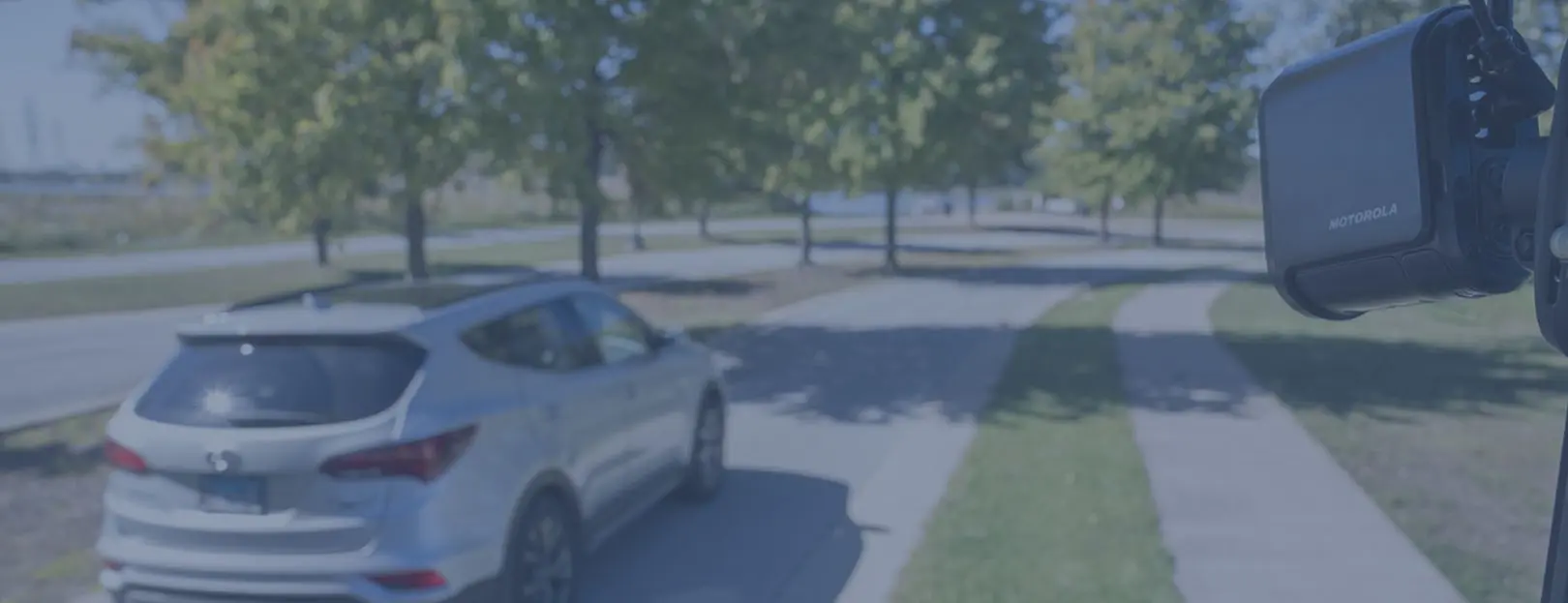
Capture valuable vehicle data when and where it is needed most with our infrastructure-free LPR Cameras from Avigilon!
Share Plate Data with Local Law Enforcement
When appropriate for your organization and jurisdiction, LPR data can be shared through public-private partnership programs and Real Time Crime Centers (RTCCs). AT&I can also support alerting workflows and operational policies, so your team stays in control of when and how data is used.
AT&I’s partnership with Motorola allows us to provide the L6Q Vigilant Camera with the ability to capture the plate, make, model, color, and speed of the cars entering your property. The L6Q can be installed practically anywhere, thanks to its LTE connectivity and versatile power options: solar, AC/DC, and a high-capacity, swappable battery.
Data Governance, Compliance & Florida Deployment Considerations
Commercial LPR is only as strong as its governance and deployment strategy. AT&I designs systems with practical controls and real-world Florida conditions in mind, especially in coastal, high-wind, and high-throughput environments. Retention policies, role-based access permissions, and audit logging are structured to support accountability and align with operational requirements.
Cloud storage, workflows, and data-sharing protocols are configured around your organization’s risk posture, so information access is always intentional and controlled. We also specify hardware, mounting strategies, and power or connectivity options, including LTE and solar where appropriate, to support durability, continuity, and long-term serviceability in demanding environments.
What Florida Operators Should Plan For
Most compliance friction in a commercial or community LPR deployment is operational rather than technical. It surfaces when a board member asks who can pull footage, when a resident asks how long plate data is kept, or when an incident requires a clear record of who accessed what and when.
Organizations deploying LPR in Florida should expect to define a few things up front: how long plate reads and associated video are retained, who has permission to search versus view versus export, whether searches and exports are logged, how monitoring is communicated at entry points, and whether plate data is shared externally and under what conditions.
License Plate Possibilities:
Across Florida, commercial LPR supports vehicle access control and operational visibility across diverse environments. Multifamily communities and HOAs use it to manage resident and visitor vehicles and structure controlled entry. Municipal and healthcare facilities apply LPR to monitor secured perimeters and support incident review. In industrial, logistics, and corporate settings, it strengthens oversight at gates, high-traffic lanes, and after-hours access points as part of a broader perimeter strategy.
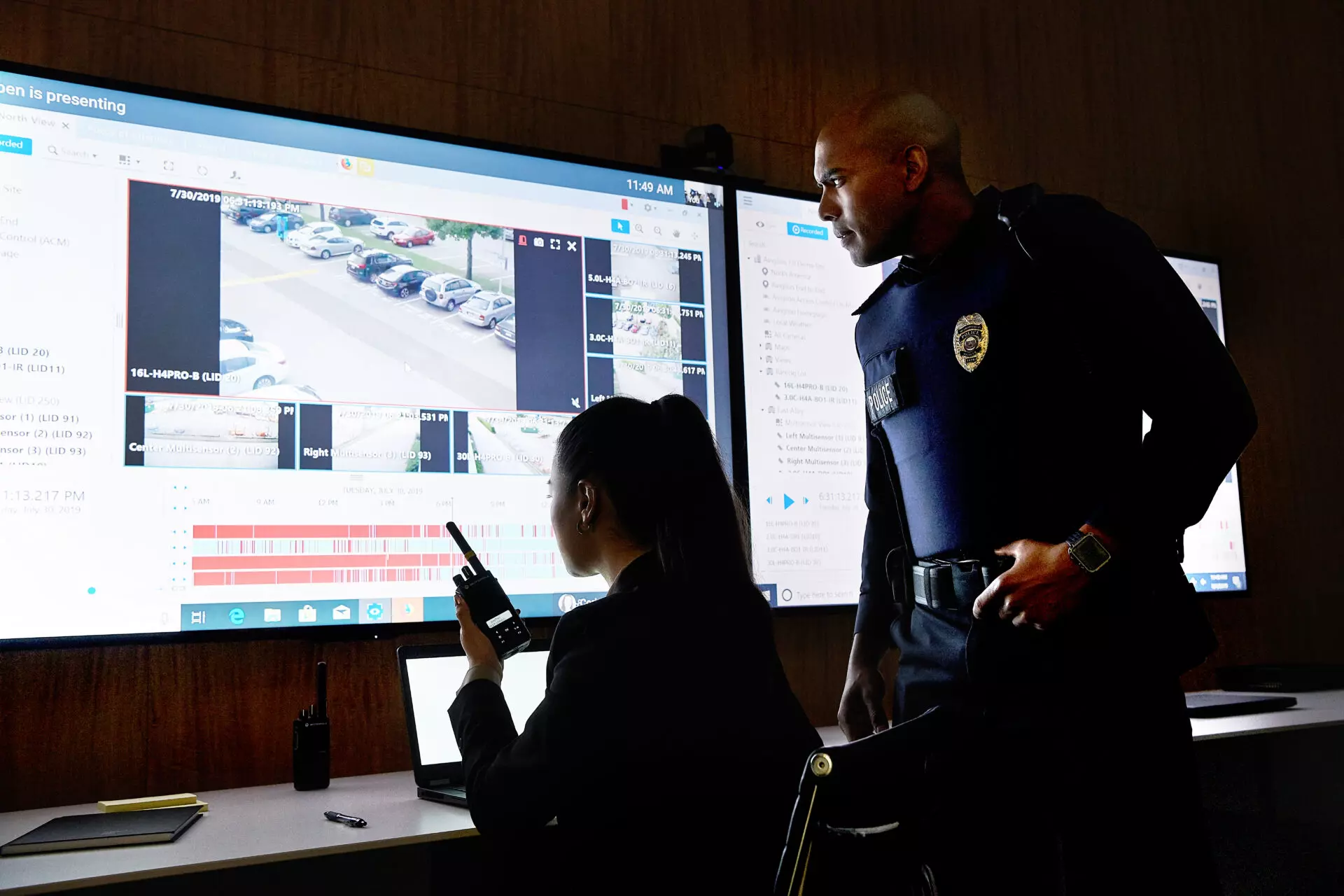
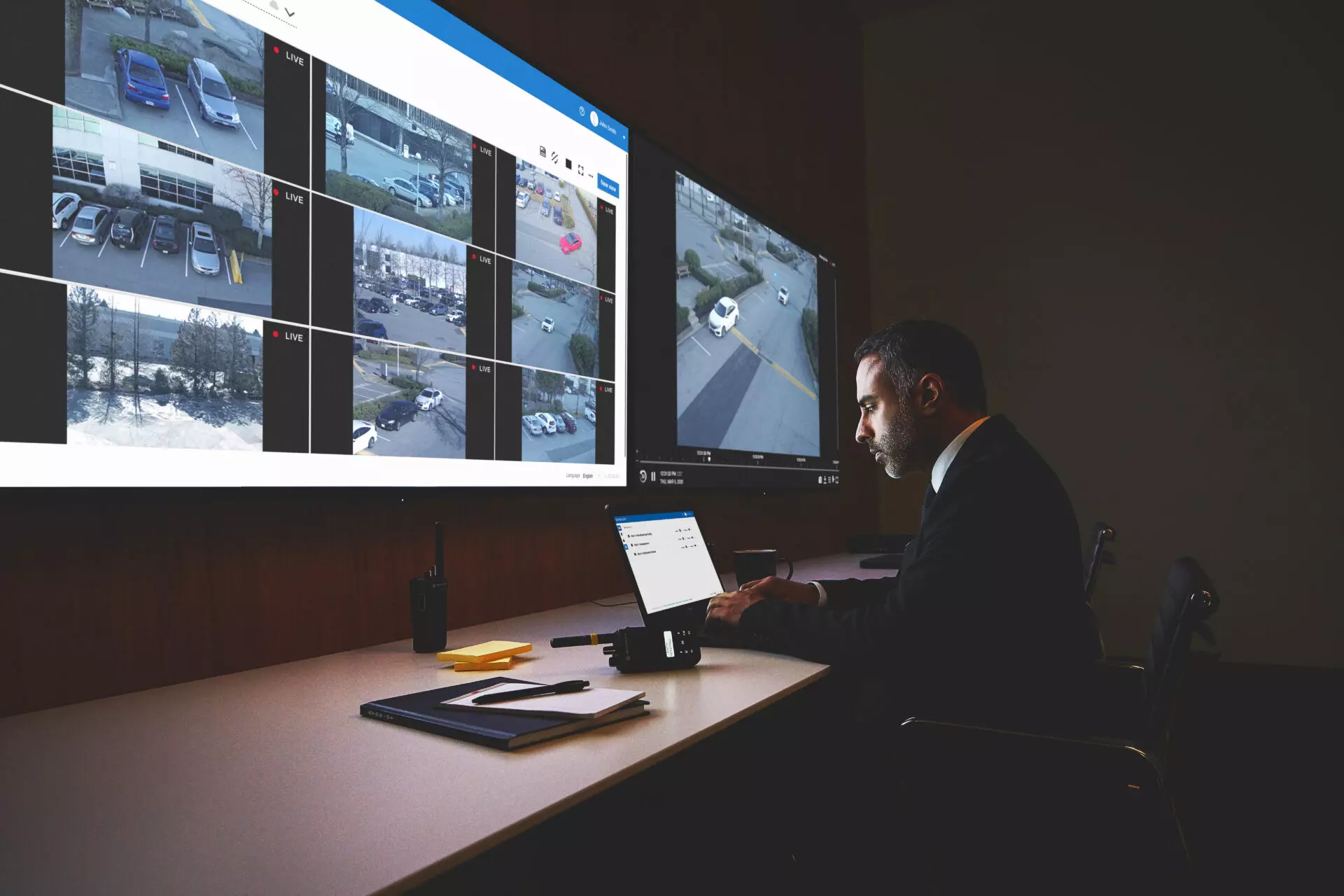

What LPR Looks Like at a Gated Community
A vehicle approaches the resident lane after midnight. The camera captures the plate, make, model, and color as it slows at the callbox. The plate doesn’t match the resident or approved vendor list, so the system alerts the guard instead of opening the lane. The vehicle is redirected to the visitor entrance. No incident, nothing to investigate later.
The value is in what didn’t happen. And if the board asks about after-hours traffic two weeks on, that data is searchable by plate, time window, or vehicle description in minutes.
Choosing the Right LPR Platform for Your Site
AT&I designs for multiple platforms, so the recommendation depends on your site conditions rather than on which brand we happen to carry. Most decisions come down to three variables: whether you can run power and network to the capture point, whether you want LPR consolidated into your existing camera fleet, and how the data needs to be searched afterward.
Where each platform tends to fit:
- Motorola (L6Q Vigilant): the answer when infrastructure is the obstacle. Portable, LTE-connected, and powered by solar, AC/DC, or swappable battery, it captures across multiple lanes at speeds up to 100 mph and up to 75 feet, in all lighting conditions. Strongest fit for perimeter points, temporary deployments, and sites where trenching for power is impractical.
- Avigilon: the fit when you want an overview video and LPR from consolidated cloud cameras, reducing camera count, licensing load, and the number of feeds a guard has to search.
- Rhombus: similar consolidation logic in a cloud-managed architecture, typically considered alongside Avigilon when the priority is fewer devices and simpler ongoing management.
- Verkada: multi-lane plate capture with cloud-powered analytics, oriented toward automated monitoring and traffic flow visibility in addition to security.
For most HOA and managed-community sites, the decision is settled by the gate itself: whether power and network already exist at the capture point, and whether the community wants LPR as a standalone layer or folded into the cameras it already owns. For logistics and industrial sites, throughput at high-traffic lanes and after-hours access logging usually drive the choice instead. A site walkthrough resolves this faster than a spec comparison.
Frequently Asked Questions About Commercial LPRs in Florida
How accurate is license plate recognition?
Accuracy depends far more on deployment than on the camera itself. Capture angle, lane speed, mounting height, lighting at the capture point, and plate condition drive real-world read rates more than any spec sheet number does. During a site walkthrough, AT&I evaluates the specific capture geometry at your entry points and sets expectations based on your actual conditions rather than ideal ones.
Does LPR record and store data on residents?
The system captures plates and vehicle attributes at defined capture points, not continuous tracking of individuals. Retention windows determine how long that data persists before automatic purge, and role-based permissions determine who can search it. Both are configurable to your community’s policy, and both should be documented before deployment rather than after a question is raised.
How does an LPR system pay for itself?
ROI shows up in measurable ways: staff hours no longer spent reviewing footage after an incident, reduced reliance on manual gate verification, fewer unauthorized entries, and the consolidation of overview and LPR functions into fewer cameras, which lowers both hardware and recurring licensing costs.
Can LPR work with our existing gates and access control?
Integration with gate and access control systems is where LPR delivers the most value, functioning as a vehicle credentialing layer alongside existing entry methods. Compatibility depends on your current hardware and can be confirmed by a site walkthrough.
What if we can't run power or a network to our entry point?
This is the most common obstacle, and it’s solvable. Infrastructure-free options such as the Motorola L6Q operate on LTE connectivity and use solar, AC/DC, or high-capacity swappable battery power, which removes trenching and cabling entirely from the project scope.
Can we share LPR data with local police?
Where appropriate in your jurisdiction, plate data can be shared through public-private partnership programs and Real-Time Crime Centers. This is configured as a deliberate policy decision your organization controls, not a default behavior.
How many cameras does a gated community need?
Reach your LPR goals
Talk to a team member today!
AT&I offers free evaluations, security assessments, and product demos throughout Florida to ensure you reach your security goals.
Trusted by Government, Law Enforcement & Leading Organizations Across Florida
Our factory-trained technicians, service-first approach, and deep experience with complex environments make us a trusted partner for condominiums, colleges, medical centers, and commercial properties alike.


